
El Chirimoyo, Peru
El Chirimoyo, Peru
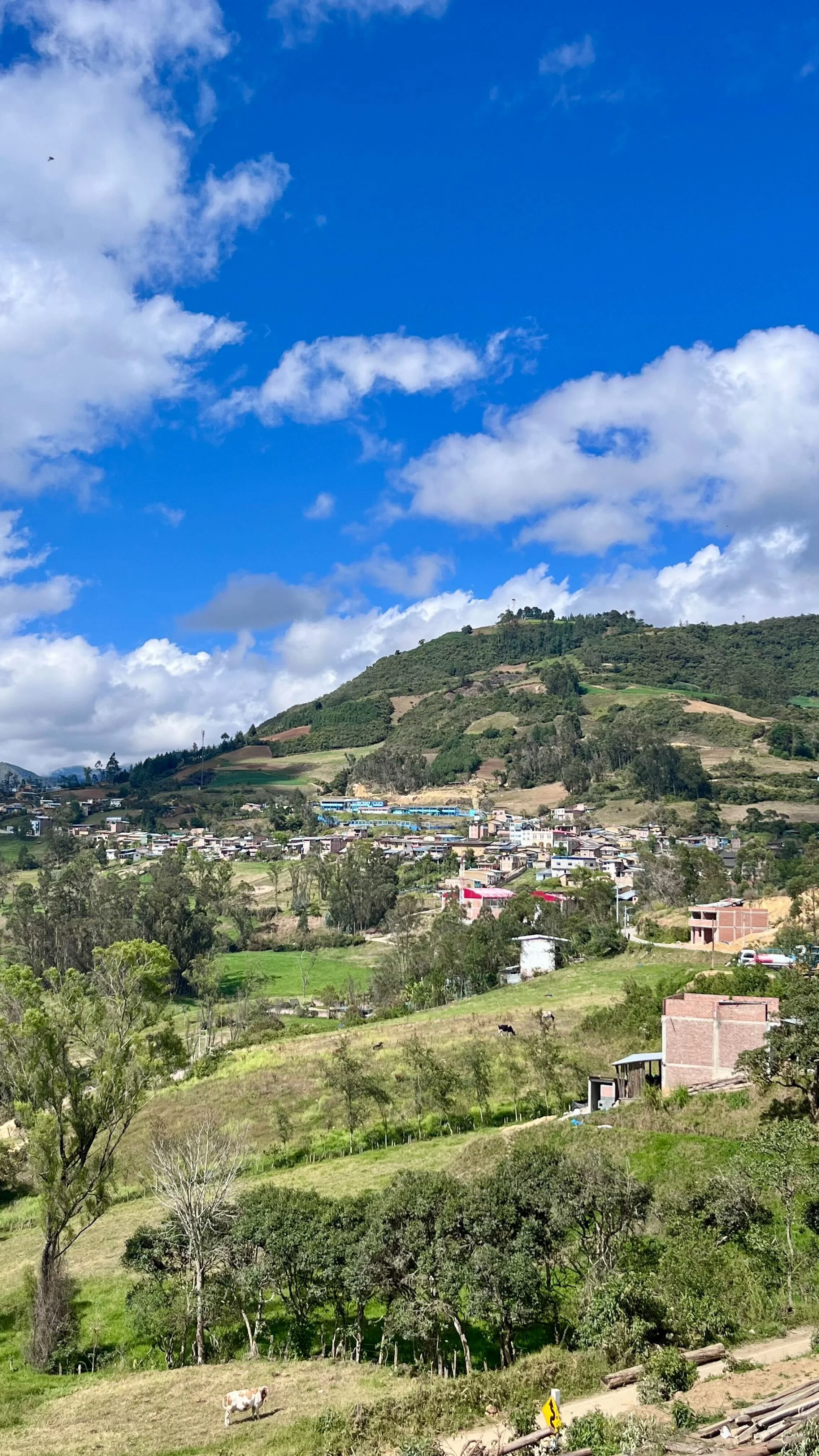
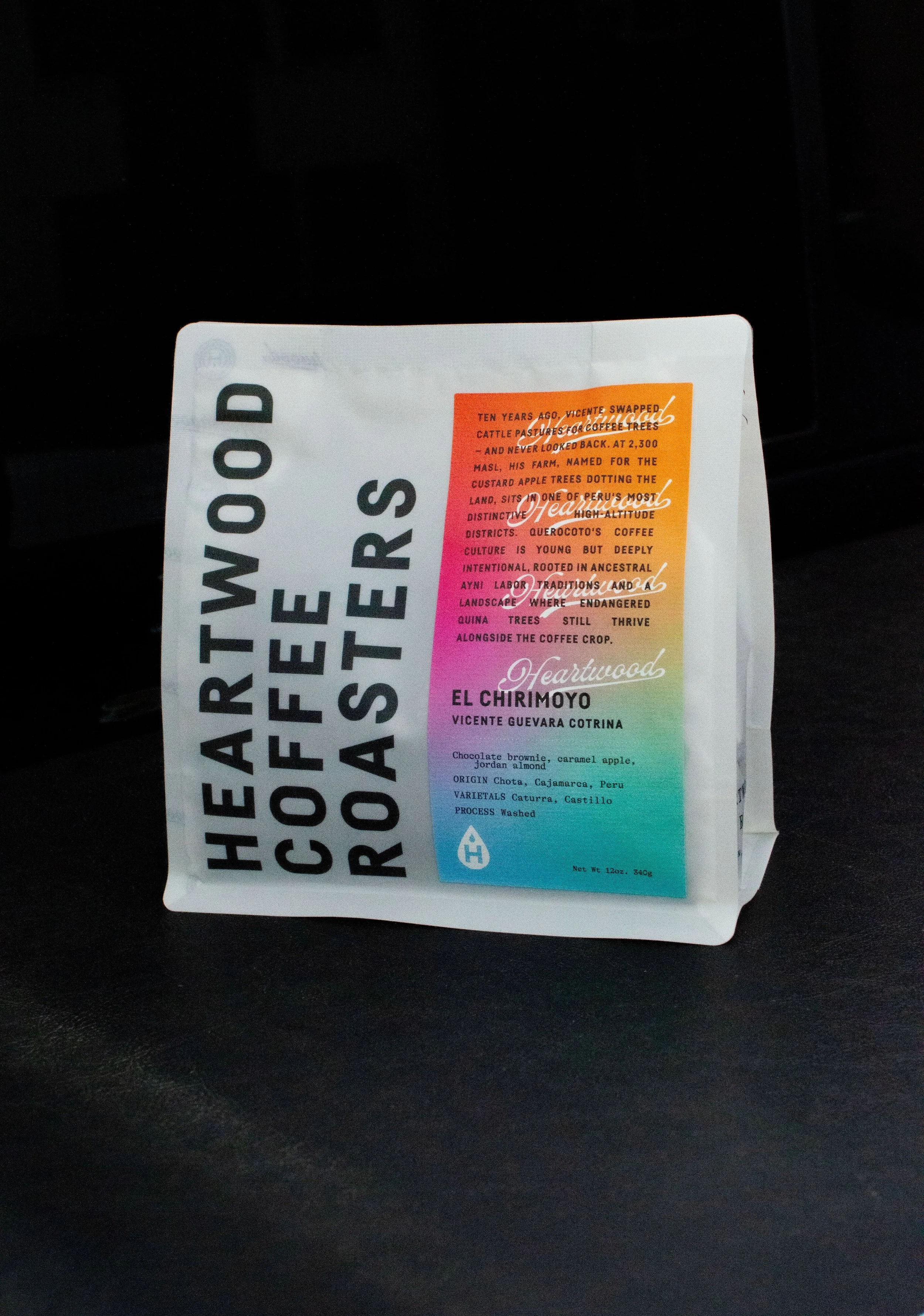
Ten years ago, Vicente swapped cattle pastures for coffee trees - and never looked back. At 2,300 masl, his farm, named for the custard apple trees dotting the land, sits in one of Peru's most distinctive high-altitude districts. Querocoto's coffee culture is young but deeply intentional, rooted in ancestral Ayni labor traditions and a landscape where endangered Quina trees still thrive alongside the coffee crop.
ORIGIN Chota, Cajamarca, Peru
VARIETALS Caturra, Castillo
PROCESS Washed
Our flavor notes: Chocolate brownie, caramel apple, jordan almond
Net Wt. 12oz / 340g
100% SPECIALTY GRADE ARABICA COFFEE
ROASTED AND PACKED AT HEARTWOOD ROASTERY, CHAGRIN FALLS, OH
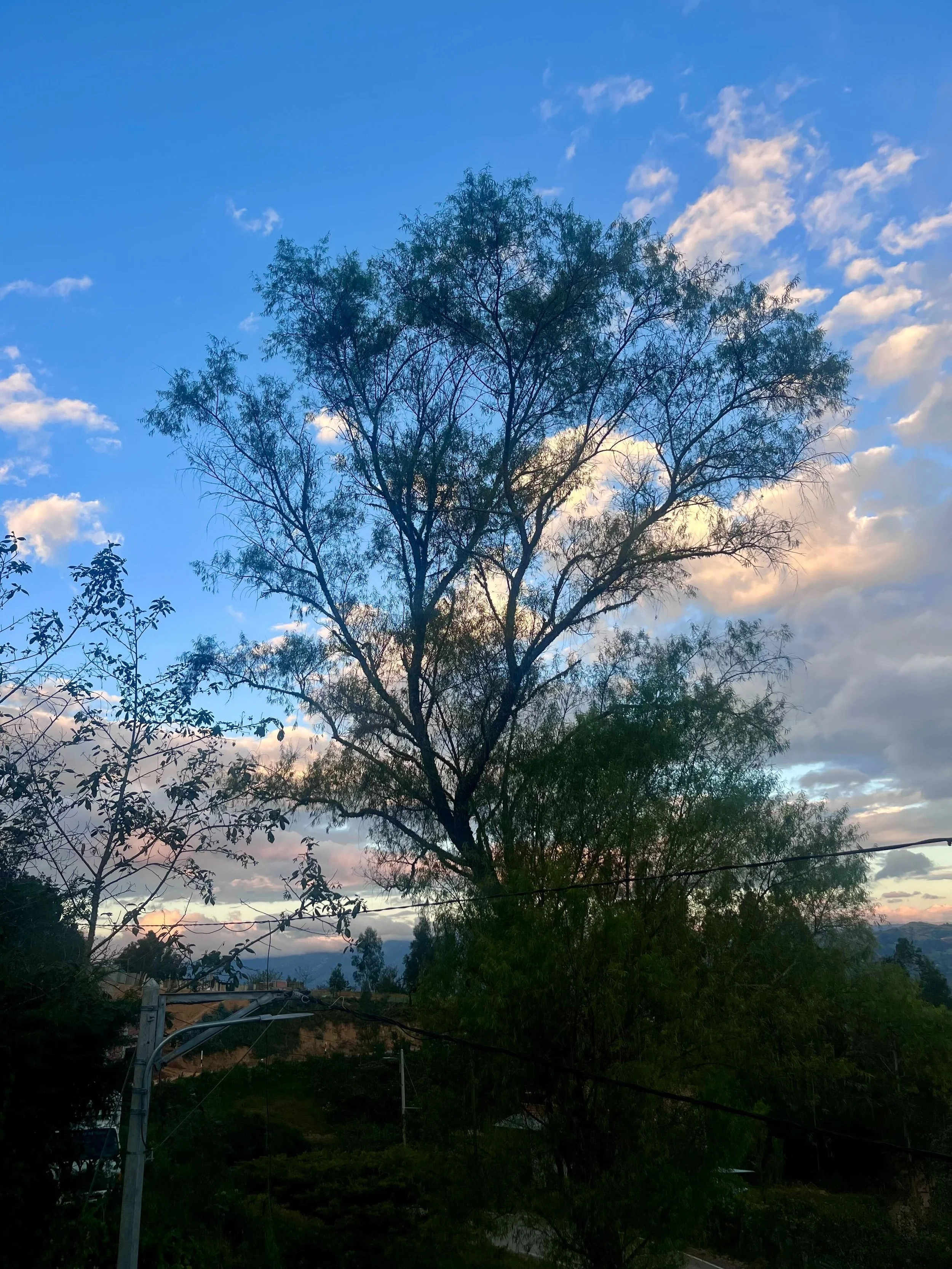
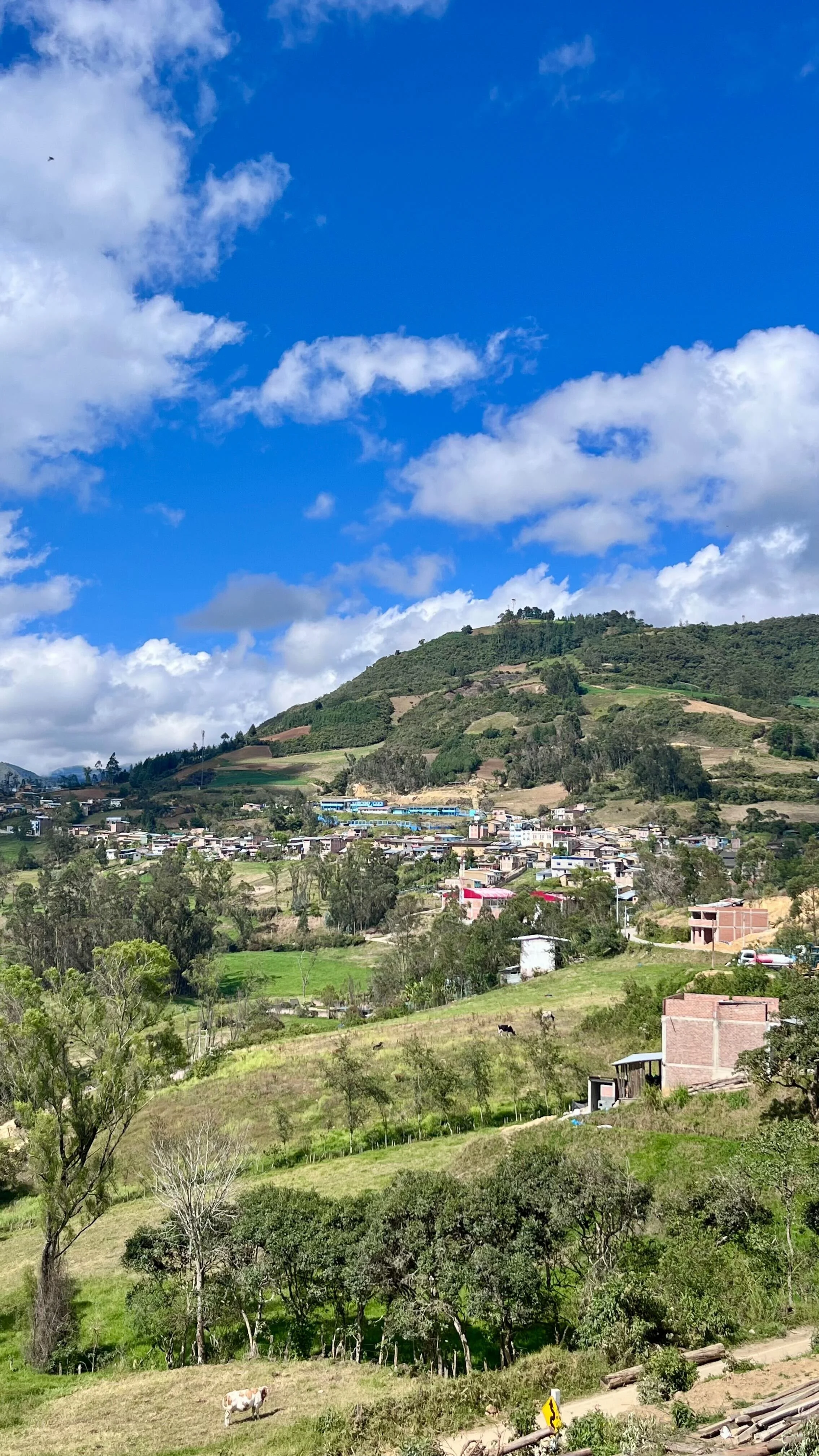
“Vicente Guevara Cotrina is a coffee producer in the Querocoto district who, ten years ago, made the strategic choice to replace his cattle pastures with coffee trees. Seeking a crop that would significantly improve his family's quality of life, Vicente has turned his effort into a successful reality. Today, coffee is the primary engine of his labor and a vital opportunity for his family’s future on his farm, El Chirimoyo—named for the abundance of custard apple trees (chirimoyas) found on the land. Querocoto is a remote and singular district in Cajamarca’s Chota province. Reaching the region requires flying into Chiclayo, followed by a five-hour drive on paved roads to the town center. Despite its proximity to the famous coffee-growing province of Jaén, Querocoto’s landscape and climate are distinct. Historically, the area focused on cattle ranching, a legacy of its expansive pastures and a cold climate influenced by an average altitude of 2,300 meters above sea level. The local coffee industry emerged in the 1990s as residents migrated seasonally to Jaén and San Ignacio to work as harvesters. By the early 2000s, they returned with seeds to test if coffee could thrive in Chota’s specific high-altitude soil. The plants adapted extraordinarily well, sparking a rapid expansion of the crop across the district. Producers in the area maintain a deep respect for native flora, integrating local plants into their coffee production. A significant example is the quina tree, which is featured on the Peruvian National Coat of Arms. Historically prized for quinine—the first effective treatment for malaria—the quina tree faced near-extinction elsewhere due to logging and the introduction of foreign species. In Querocoto, however, these trees still thrive, coexisting with coffee plants to provide vital shade and organic matter.”
Imported by Red Fox Coffee Merchants